
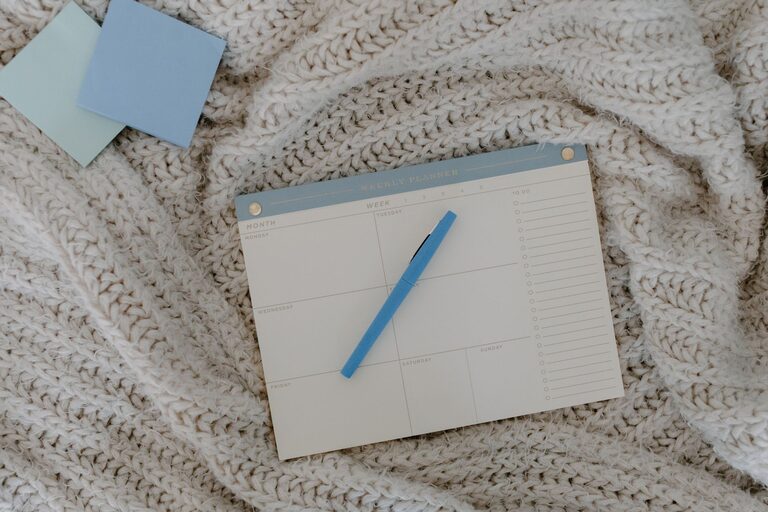
Taking time off to relax is essential for maintaining balance and well-being. However, planning a weekend that truly feels stress-free can sometimes be challenging. Whether you want to unwind after a busy week or simply enjoy some quiet time, a well-thought-out plan can make all the difference. Here are some practical tips to help you design a no-stress weekend that leaves you refreshed and ready for the week ahead.
Start With a Simple Plan
The key to a stress-free weekend is to keep things simple. Instead of packing your days with multiple activities, focus on a few enjoyable tasks or hobbies.
– Choose your priorities: Decide what matters most to you — whether it’s resting, spending time outdoors, reading, or catching up with friends.
– Set realistic goals: Avoid overloading your schedule. A relaxed weekend should feel easy, not rushed.
– Prepare in advance: If you need supplies or want to cook something special, gather everything during the week to avoid last-minute errands.
Create a Comfortable Environment
Your surroundings have a big impact on how relaxed you feel. Take a little time to make your home a cozy retreat.
– Declutter a little: A tidy space can help clear your mind.
– Set the mood: Use soft lighting or natural light, and add some calming scents like lavender or chamomile.
– Have cozy blankets and pillows ready: Comfort can enhance relaxation immediately.
Disconnect to Reconnect
In our digital age, constant notifications can increase stress. Make your weekend a digital detox zone.
– Limit screen time: Try to reduce emails, social media, and work-related messages.
– Turn off non-essential notifications: Giving your phone a break can help you stay present.
– Engage in offline activities: Consider reading a book, journaling, or enjoying a leisurely walk.
Plan Gentle Activities
Physical movement can reduce stress, but it doesn’t need to be intense. Opt for light, enjoyable activities.
– Go for a nature walk or hike: Fresh air and natural surroundings boost mood.
– Try gentle yoga or stretching: Helps relax both body and mind.
– Cook a simple, nutritious meal: Cooking can be therapeutic when not rushed.
Include Time for Self-Care
Put yourself first by scheduling moments dedicated to self-care.
– Take a warm bath: Add Epsom salts or essential oils for extra comfort.
– Practice mindfulness or meditation: Even 10 minutes can improve relaxation.
– Enjoy a hobby: Painting, knitting, gardening, or any activity that brings joy.
Keep Social Plans Light and Positive
If you choose to spend time with others, keep the social calendar light and focus on meaningful connections.
– Meet a close friend or family member: Quality over quantity.
– Plan a casual outing or coffee date: Avoid complicated or stressful events.
– Communicate your needs: Let friends and family know you want peaceful, low-key time.
Rest and Sleep Well
Rest is the foundation of a no-stress weekend.
– Set a consistent sleep schedule: Try to go to bed and wake up at similar times.
– Create a bedtime routine: Avoid screens before bed, read a book, or listen to calming music.
– Nap if needed: Short naps can restore energy without disrupting nighttime sleep.
Reflect and Adjust for Next Time
After your weekend, take a moment to reflect on what helped you relax and what could be improved.
– Journal your experience: Writing down thoughts can clarify what worked best.
– Make notes for future weekends: Use your insights to plan even better stress-free weekends ahead.
—
A no-stress weekend isn’t about doing nothing; it’s about doing what genuinely recharges you without pressure. By planning with intention and keeping things simple, you can create a peaceful break that nurtures your body and mind. Remember, the goal is to feel refreshed and ready to face the week with calm and energy. Enjoy your well-deserved downtime!
About the Author