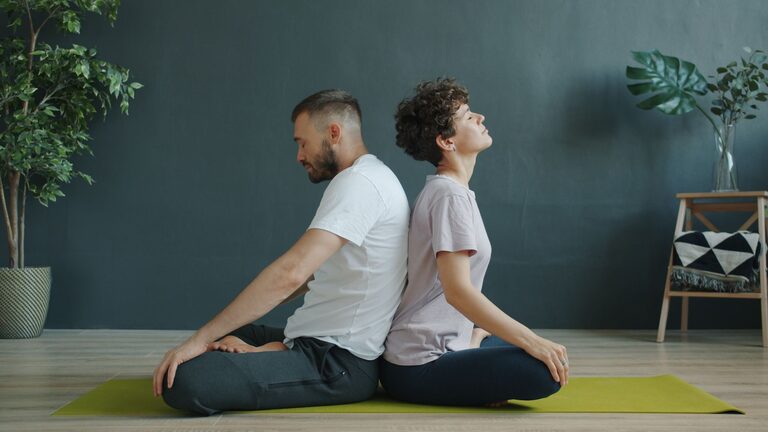

Mindfulness has become a popular way to enhance mental clarity, reduce stress, and improve overall well-being. The good news is that practicing mindfulness doesn’t require hours of meditation or special equipment. By integrating simple mindfulness practices into your daily routine, you can cultivate a greater sense of calm and presence throughout your day. This post will guide you through some easy-to-follow mindfulness techniques that anyone can try.
What Is Mindfulness?
Mindfulness means paying full attention to the present moment without judgment. It involves noticing your thoughts, feelings, and sensations as they happen, rather than getting caught up in worries about the past or future. When practiced regularly, mindfulness can help you manage stress, improve focus, and increase emotional resilience.
Why Practice Mindfulness Daily?
Making mindfulness a daily habit can:
– Reduce feelings of stress and anxiety
– Enhance your ability to concentrate
– Improve sleep quality
– Foster a positive mood
– Increase self-awareness and emotional intelligence
Even a few minutes each day can make a noticeable difference.
Simple Mindfulness Practices to Try
1. Mindful Breathing
One of the easiest ways to start is by focusing on your breath.
How to do it:
– Find a comfortable sitting position.
– Close your eyes if you like.
– Take a deep breath in through your nose, feeling your lungs expand.
– Slowly exhale through your mouth, noticing the sensation.
– Continue this deep breathing for 3 to 5 minutes, gently bringing your attention back if your mind wanders.
This exercise helps ground you and brings your focus to the here and now.
2. Body Scan Meditation
The body scan encourages you to become aware of physical sensations throughout your body.
How to do it:
– Sit or lie down comfortably.
– Close your eyes and take a few deep breaths.
– Slowly bring attention to your feet, noticing any sensations or tension.
– Gradually move your focus upward through your legs, torso, arms, and head.
– Notice each part without trying to change anything.
This practice can help you detect areas of tension and promote relaxation.
3. Mindful Eating
Eating mindfully can turn an everyday activity into a calming ritual.
How to do it:
– Before eating, take a moment to observe your food’s color, texture, and smell.
– Take small bites and chew slowly.
– Notice the taste and how the food feels in your mouth.
– Avoid distractions like phones or TV during the meal.
This practice encourages healthier eating habits and helps you appreciate your food more fully.
4. Mindful Walking
Walking can be a simple way to practice mindfulness, especially when outdoors.
How to do it:
– Choose a quiet place for your walk.
– Walk at a natural pace and pay attention to the feeling of your feet touching the ground.
– Notice the movement of your legs and arms.
– Observe your surroundings—sounds, sights, smells—without judgment.
– If your mind drifts, gently bring it back to the walking experience.
This method combines physical activity with mindfulness, enhancing both well-being and fitness.
5. Five Senses Exercise
This quick practice helps you focus on the present moment anytime during your day.
How to do it:
– Pause and look around you.
– Identify 5 things you can see.
– Notice 4 things you can feel (like the texture of your clothing).
– Acknowledge 3 things you hear.
– Identify 2 things you can smell.
– Notice 1 thing you can taste.
This exercise quickly centers your awareness and calms a busy mind.
Tips for Building a Mindfulness Routine
– Start small: Begin with just 2–5 minutes per day and gradually increase the time.
– Set a regular time: Try to practice mindfulness at the same time each day. Morning or evening often works well.
– Be patient: It’s normal for your mind to wander. Gently bring your attention back without judgment.
– Use reminders: Put notes around your home or set phone alerts to remind you to pause and be mindful.
– Explore apps or guided meditations: These can provide helpful support as you develop your practice.
Mindfulness at Work and Home
You don’t need to set aside special time to practice mindfulness. Simple mindful moments can be integrated into routine activities such as:
– Taking mindful breaths before a meeting
– Listening attentively during conversations
– Washing dishes or cleaning with full attention
– Pausing before reacting to stressful situations
These moments enhance your ability to stay calm and present in daily life.
Final Thoughts
Mindfulness is a flexible, accessible tool that anyone can learn. By incorporating these simple practices, you can create a more peaceful, balanced, and joyful daily experience. Remember, it’s not about perfection but progress—every mindful breath and moment counts.
Try one or more of these techniques today and see how they make a difference in your life!
About the Author