Creating a peaceful atmosphere at home often starts with the colors you choose for your walls and decor. Calm colors can make your living space feel soothing, inviting, and balanced, helping you relax after a busy day. If you’re considering a fresh coat of paint or looking to update your interiors, selecting the right calm colors is key. In this post, we’ll explore tips to help you choose colors that promote tranquility and harmony in your home.
Why Choose Calm Colors?
Calm colors tend to be soft, muted, and easy on the eyes. These shades create a sense of openness without overwhelming the senses. They are especially beneficial in rooms where relaxation is a priority, such as bedrooms, living rooms, and bathrooms. Using calm colors can reduce feelings of stress and make your home a sanctuary.
Popular Calm Colors to Consider
Before diving into the tips, it helps to know some commonly favored calm color choices:
– Soft Blues: Often associated with the sky and water, creating a cool and serene vibe.
– Muted Greens: Reflect nature and bring a refreshing yet calming presence.
– Warm Neutrals: Beige, taupe, and soft grays offer warmth without intensity.
– Pastel Shades: Gentle pinks, lavenders, and light yellows add a subtle touch of color.
– Whites and Off-Whites: Brighten spaces while maintaining a peaceful ambience.
Tips for Choosing Calm Colors for Your Home
1. Consider the Room’s Purpose
Start by thinking about how you use each room. Bedrooms benefit from deeper, restful tones like dusty blues or sage green. Living rooms might embrace warmer neutrals that encourage conversation while still feeling relaxed. Bathrooms often work well with light blues or soft grays that give a spa-like effect.
2. Test Colors in Different Lighting
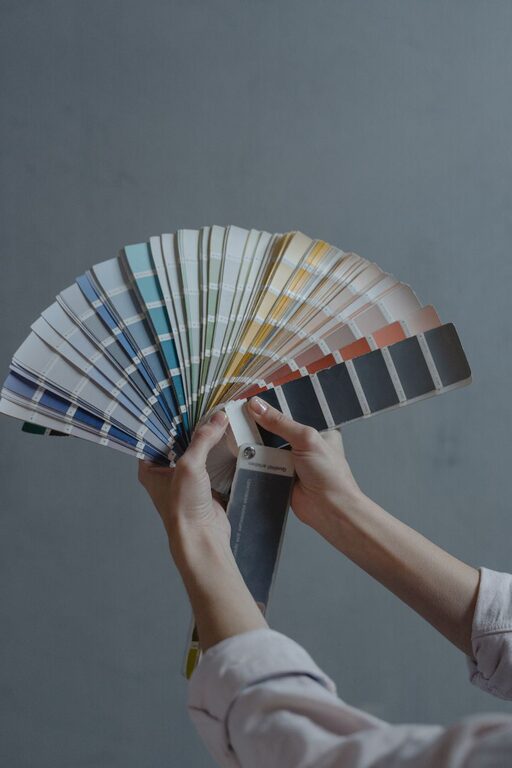
Natural and artificial lighting can drastically change the appearance of paint colors. Always test swatches on your walls and observe them at different times of day and night. This approach helps you avoid surprises and find the shade that stays calm under any light.
3. Use a Color Palette for Balance
Combining multiple calm colors can create depth without chaos. Choose a palette of 2-3 main colors that complement each other. For example, pairing soft green walls with beige accents and white trim keeps the space cohesive and layered.
4. Select Matte or Satin Finishes
Color finish impacts how calm a room feels. Matte or satin finishes absorb light gently and reduce glare, enhancing the calming effect. Avoid high gloss or overly shiny finishes, which can be distracting or too vibrant for tranquil spaces.
5. Incorporate Color with Accessories
If you’re hesitant to paint walls in calm colors, start small by adding cushions, rugs, curtains, or artwork in those shades. This method adds peaceful color accents without a full room commitment and allows for easy updates.
6. Avoid Overly Saturated Colors
Bright, intense colors tend to energize a space rather than soothe it. Even if you love a particular color, choosing a muted or pastel version keeps the effect calming. Saturated colors are better reserved for accent pieces or small décor elements.
7. Pay Attention to Undertones
Colors have undertones—warm or cool—that influence how calming they feel. For instance, a beige with pink undertones can feel cozy and soft, while one with yellow undertones might feel sunnier and more cheerful. Select undertones that fit your mood and room lighting.
8. Consider the Flow Between Rooms
Colors should transition smoothly from one room to another to maintain a peaceful flow throughout your home. Aim for tonal harmony where adjacent rooms share related calm shades, avoiding harsh contrasts.
Creating a Calm Atmosphere Beyond Color
While color is important, other elements contribute to a soothing home:
– Natural Materials: Wood, linen, and cotton add texture and warmth.
– Soft Lighting: Use lamps and dimmers rather than harsh overhead lights.
– Minimal Clutter: Keep spaces tidy to enhance calmness and reduce visual stress.
– Greenery: Plants bring life and a natural calmness to interiors.
Final Thoughts
Choosing calm colors for your home is a rewarding process that influences how you feel in your most personal spaces. By considering room function, lighting, finishes, and color combinations, you can create a peaceful environment that welcomes relaxation and comfort. Whether you prefer soft blues, gentle greens, or warm neutrals, the right palette can transform your home into a serene retreat.
Remember, take your time with samples and enjoy the creative process—it’s your sanctuary, after all!
About the Author